How to Improve Your Credit Score for a Better Mortgage Rate
Your credit score is one of the biggest things that sets your mortgage rate. A better rate can mean a lower payment every month for years. The good news: you can often move your score in a few months if you start now.
Quick wins (1 to 2 months)
- Check your reports for free. Go to AnnualCreditReport.com. You can see all three bureaus (Equifax, Experian and TransUnion) for free every week.
- Dispute mistakes. Wrong late payments or accounts that aren't yours can drag you down. Dispute them with the bureau that shows them.
- Pay down credit cards. How much of your limit you use matters a lot, and lower is always better. There is no magic cutoff — FICO does not publish one. VantageScore says to stay under 30%, and that the best scores usually sit in the single digits.
- Pay before the statement date. Card companies report your balance on the statement. Paying before then can show a lower balance.
Keep it going (3 to 12 months)
- Pay every bill on time. Payment history is the biggest part of your score. Turn on autopay for at least the minimum.
- Don't open new cards or loans before you buy. New applications can lower your score for a while and change your debts.
- Keep old cards open. A longer credit history helps.
- Don't close cards you paid off. Closing them can raise the share of your limit you use.
Shop for a mortgage without fear
Several mortgage credit checks in a short time usually count as one. So compare lenders inside a few weeks, not months.
Start early
Give yourself three to six months before you apply if you can. A loan officer can look at your report and tell you which moves help most for your exact file.
Watch out for "credit repair" scams
No one can legally remove true, accurate negative items. Anything you pay a company to do, you can do yourself for free.
Quick answers
How long does it take to raise a credit score?
Paying down card balances can show up in a month or two. Building a longer on-time history takes longer. Start three to six months before you apply if you can.
Will checking my own score hurt it?
No. Checking your own score or reports is a soft inquiry and does not lower your score.
What score do I need for a mortgage?
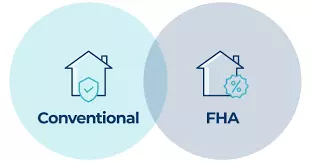
It depends on the loan. FHA allows lower scores than most conventional loans, and a lender can set its own floor above the program minimum. Ask two or three lenders, because the same score can price differently. See FHA vs. conventional, what moves rates and the first-time buyer checklist.
Get pre-approved · FHA vs. conventional loans · Mortgage calculator
Where you buy changes this
Your score is national. What it has to carry is local.
- Florida — insurance can cost more than the difference a better score buys you.
- Texas — property tax is the biggest recurring line in the payment.
- New Jersey — closing costs include an attorney and a town certificate.
- Massachusetts — you need an attorney and a Municipal Lien Certificate.
We keep a page for every state we work in, with a cost table, a step-by-step timeline and the rules that actually trip people up. See all AXEN locations.
Sources and further reading
Updated September 18, 2026. We check these sources each time we update this guide. See our editorial policy.
Recent Posts